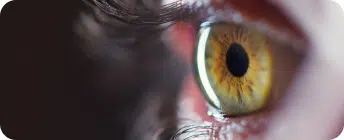
Why would your immune system suddenly attack your eyes?
We are talking about an eye condition called uveitis, and it’s is often far more serious than people realise. In some patients, inflammation inside the eye behaves quietly at first, causing subtle symptoms before leaving lasting damage behind.
I’m Dr Erica Darian-Smith, Co-Owner and Principal Ophthalmologist at Eagle Eye Surgeons in Sydney. In this article I’ll explain more about what uveitis is, the symptoms that should never be ignored, and how early uveitis treatment can help protect long-term vision.
KEY TAKEAWAYS
- Uveitis is inflammation inside the eye that can lead to permanent vision loss if it is ignored.
- A painful red eye with blurred vision or light sensitivity should always be checked urgently.
- Some types of uveitis can quietly damage the retina without causing obvious redness.
- Early treatment from an ophthalmologist can help protect your long-term vision.
What Are Symptoms Of Uveitis?
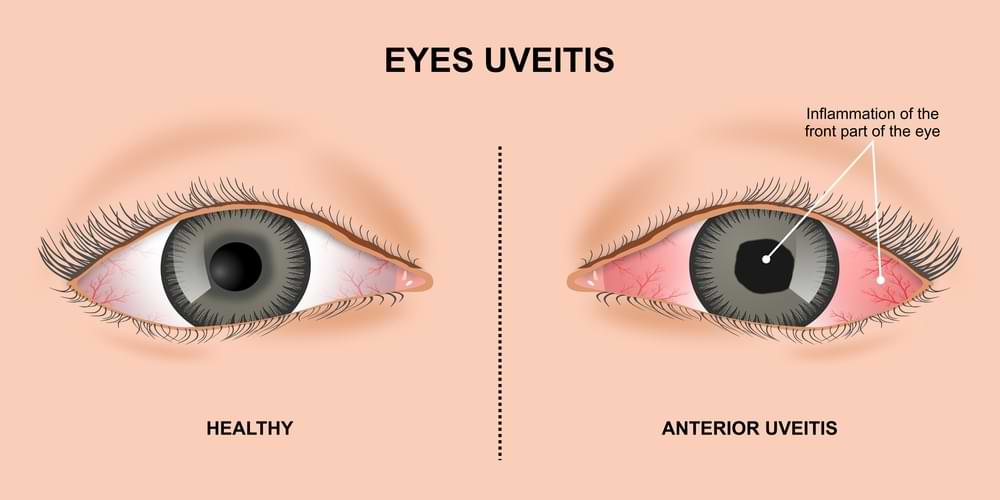
The term “uveitis” describes inflammation affecting structures inside the eye, including the iris, retina, and surrounding tissues.
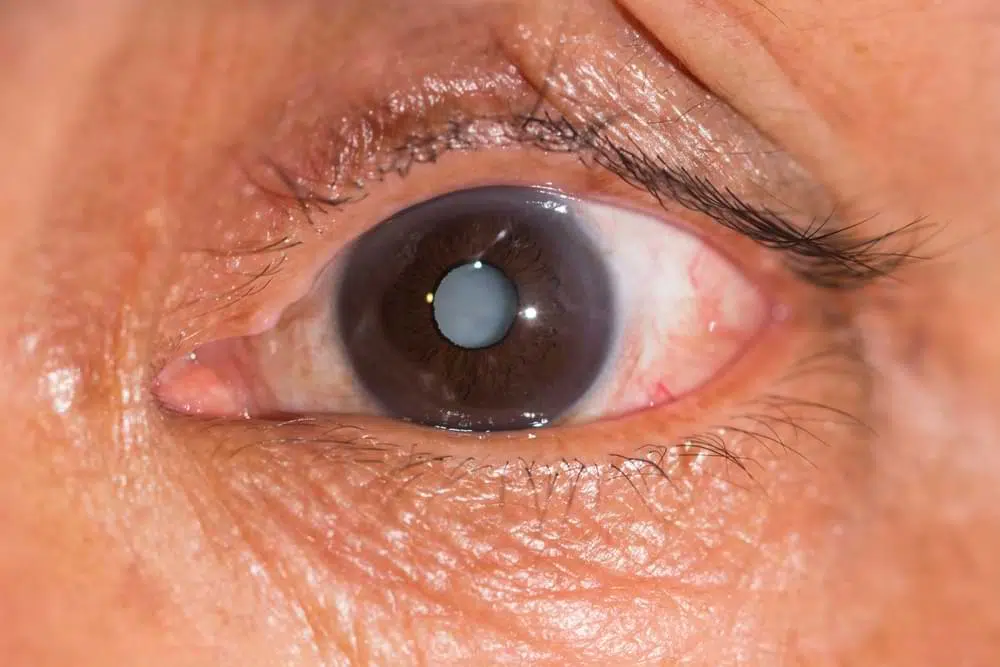
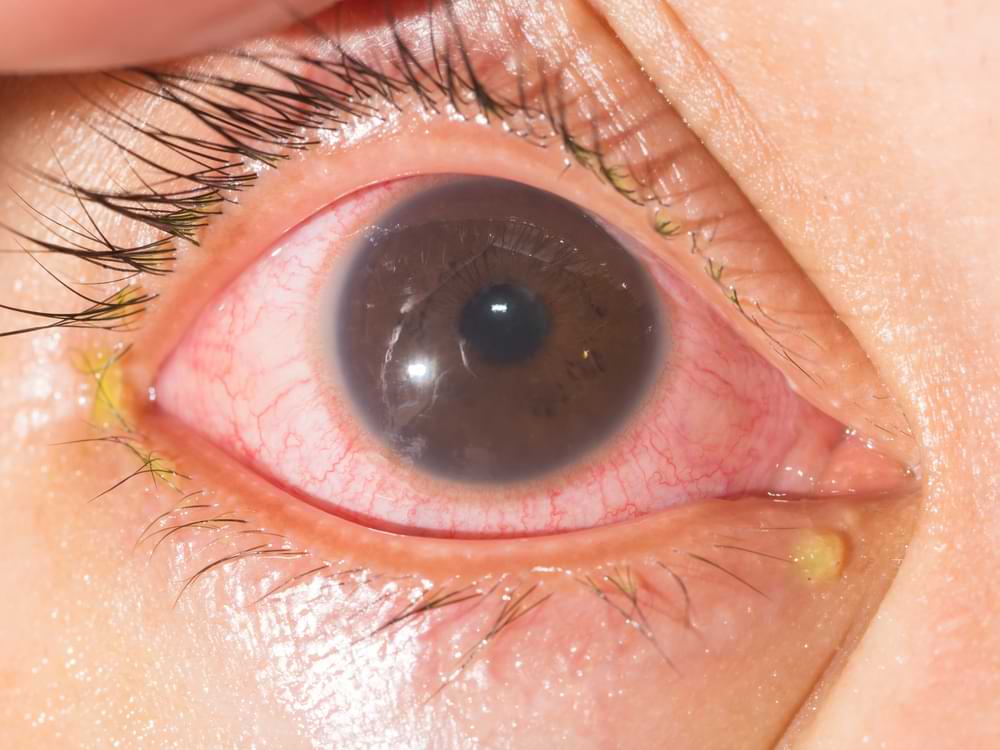
- Anterior uveitis affects the front of the eye, causing redness
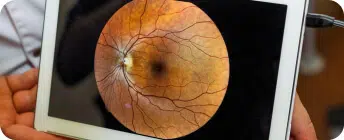
- Posterior uveitis affects deeper retinal tissue
Uveitis has particular characteristics that distinguish it from less serious conditions like conjunctivitis.
These symptoms may include:
- bright light that feels unbearable
- vision that suddenly becomes cloudy or distorted
- One or both eyes might aching deeply
With anterior uveitis, even normal indoor lighting can feel like staring into car headlights after midnight. Some patients also notice headaches, small pupils, or eye pain and redness that escalates quickly over hours.
Posterior uveitis behaves differently. Because inflammation occurs deeper inside the eye, patients may notice:
- floaters
- blurred vision
- dark patches
- reduced clarity without obvious redness
We also see patients with recurrent flare-ups. Symptoms settle, life moves on, then the inflammation returns months or years later. Repeated episodes increase the risk of cumulative damage over time.
One of the biggest risks with uveitis treatment delays is that inflammation inside the eye can leave permanent structural damage behind. We sometimes see complications including glaucoma, cataracts, retinal scarring, or irreversible vision loss. Some patients assume a red eye is “just irritation” and wait too long before seeing an ophthalmologist in Sydney.
That gamble is rarely worth it.
What Causes Uveitis?
One of the most frustrating parts of uveitis treatment is identifying a clear trigger. Sometimes the cause remains uncertain even after extensive investigation.
Autoimmune eye disease is one of the most common causes of uveitis. In these cases, the immune system mistakenly targets healthy tissue inside the eye and creates inflammation. Conditions such as ankylosing spondylitis, psoriasis, inflammatory bowel disease, and rheumatoid arthritis are sometimes associated with recurrent uveitis symptoms. Some patients, however, develop eye inflammation treatment needs long before they are diagnosed with any other systemic condition.
Infection can also trigger uveitis. Viral infections, bacterial infections, inflammatory disease, trauma, and previous eye surgery may all contribute. The eye has a delicate internal environment. Once inflammation begins, it can behave like a smoke alarm that keeps ringing after the original spark has passed.
Some unusual cases have also been linked to tattoos. Medical literature has described tattoo-associated uveitis, where inflammatory reactions develop months or even years after tattooing. Patients may experience recurrent eye inflammation alongside swelling or irritation within tattooed skin. In rare cases, management may necessitate the removal of affected tattoo tissue.
How Is Uveitis Diagnosed By An Ophthalmologist?
Uveitis diagnosis relies on carefully examining different structures inside the eye using specialised ophthalmic equipment and targeted investigations.
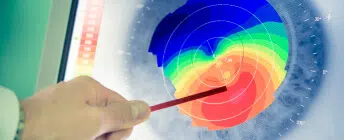
We begin by assessing where the inflammation is occurring and how severe it appears. Slit lamp microscopes allow us to examine inflammatory cells inside the front of the eye, while tonometry checks eye pressure because uveitis can increase glaucoma risk.
OCT scans help us assess retinal inflammation, swelling, and structural damage deeper inside the eye.
Some patients also require blood tests, imaging, or systemic investigations to look for autoimmune eye disease, infection, or inflammatory conditions elsewhere in the body.
In certain cases, diagnosis involves collaboration with rheumatologists, immunologists, or other medical specialists.
How Is Uveitis Treatment Managed In Sydney?
Planning uveitis treatment depends heavily on which part of the eye is inflamed and how aggressively the condition is behaving. There is no universal treatment strategy because anterior uveitis, posterior uveitis, and chronic autoimmune eye disease can behave very differently from one patient to another.
For anterior uveitis, steroid eye drops are commonly used to reduce inflammation inside the eye. Dilating drops may also help relieve pain caused by spasm of the inflamed iris muscles. Many patients improve well with early treatment and close monitoring.
More severe cases sometimes require oral medication, injections, or immune-modifying treatment to control deeper or recurrent inflammation. Chronic retinal inflammation often needs long-term follow-up because uveitis can return even after symptoms appear to settle.
The goal is simple. Calm the inflammation early. Protect the vision permanently.
Final Thoughts
Uveitis can be deceptive. Sometimes it arrives loudly with pain and redness. Sometimes it develops quietly in the background while inflammation slowly damages delicate retinal tissue and vision.
The common thread is that early assessment matters. Fast diagnosis and appropriate uveitis treatment can make the difference between temporary inflammation and permanent visual loss.
Many patients wait, hoping symptoms will settle on their own. That delay can carry consequences the eye cannot easily reverse.
If you are experiencing persistent eye pain, redness, floaters, blurred vision, or light sensitivity, then the wisest decision you can make is to get touch with Eagle Eye Surgeons today to arrange a consultation.
We have two convenient locations in Sydney. Our Mosman clinic on the Lower North Shore offers ground floor access, on-site parking, and excellent public transport links. Our Nepean clinic offers two hours of free on-site parking and easy access opposite Nepean Hospital. You can call us on (02) 7228 3900 (MOSMAN) or (02) 7228 3556 (NEPEAN) or arrange an appointment online through this website.

– Fellow of the Royal Australian and New Zealand College of Ophthalmologists (FRANZCO)
– Fellow of World College of Refractive Surgery and Visual Sciences (FWCRS)
– GradDipGraduate Diploma in Cataract and Refractive Surgery (University of Sydney)
– Master of Medicine (MMed, Ophthalmic Sciences, University of Sydney)
– Bachelor of Medicine and Surgery (MBBS, University of Tasmania)
Dr. Erica was a recipient of the 2022 ASCRS Foundation Resident Excellence Award. In 2019, she was awarded the RANZCO Filipic Greer Medal for overall excellence in performance at the RANZCO Ophthalmic Pathology examination. Most recently, she was awarded the Royal Australian and New Zealand College of Ophthalmologists (RANZCO) Trevalyn-Smith Travelling Scholarship to subsidize overseas study for Fellows.
As an accomplished researcher Dr. Erica’s work has been published widely in high quality medical journals, including the American Journal of Ophthalmology, the Journal of Cataract and Refractive Surgery, the European Journal of Ophthalmology and Clinical and Experimental Ophthalmology. Erica has also written a book chapter and has had the opportunity to present her research at various international and national conferences. Dr. Erica is appointed as a Clinical Lecturer in the Discipline of Ophthalmology at the University of Sydney, Save Sight Institute and regularly contributes to ongoing teaching in her area of subspeciality.