What is a Pterygium?
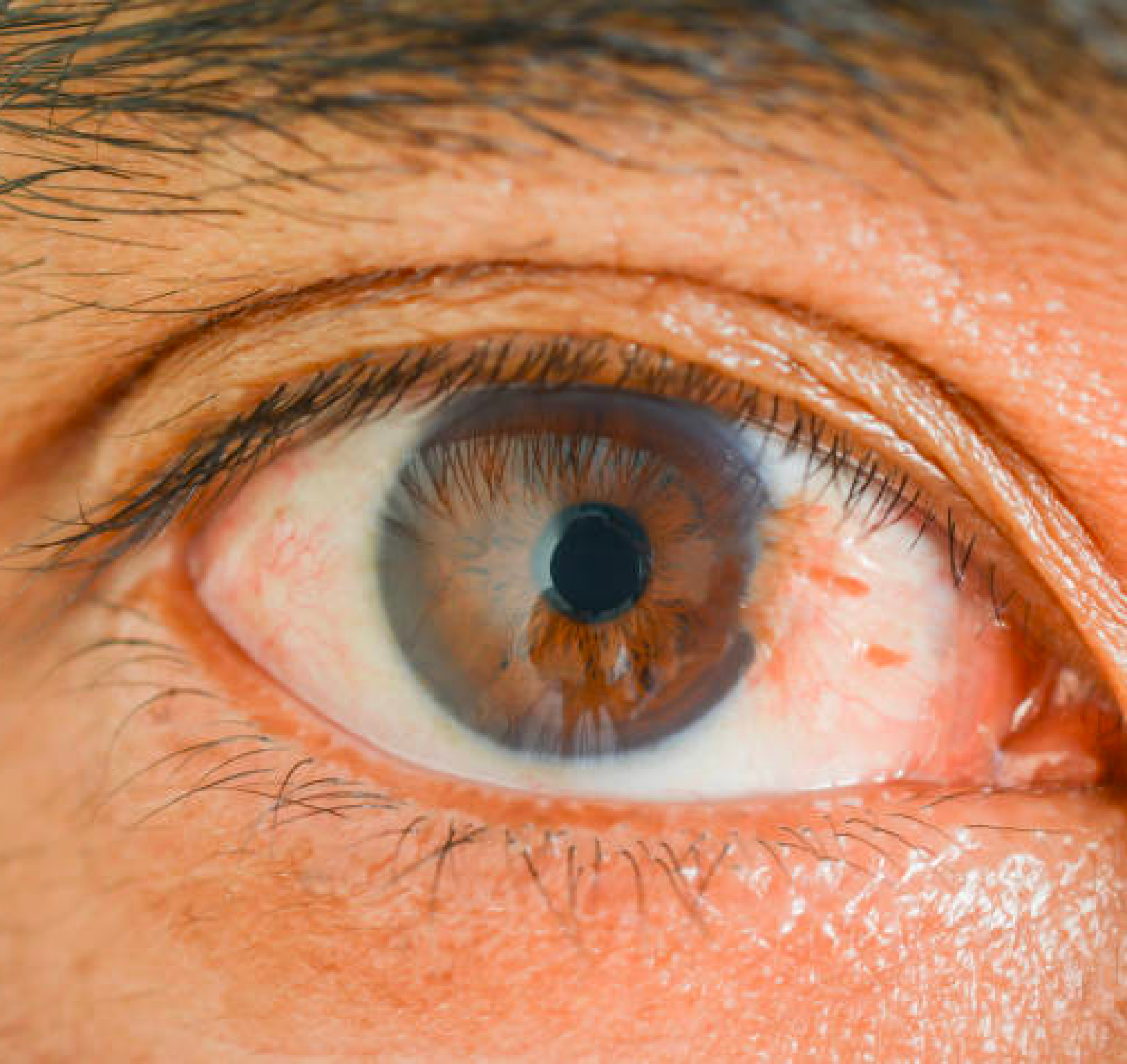
A pterygium is a common eye condition that affects the conjunctiva, the clear tissue that covers the white part of the eye. It is characterized by the growth of a fleshy, triangular-shaped tissue that extends from the corner of the eye across the cornea. Pterygium are benign, but they can cause discomfort and affect vision if left untreated.
Understanding Pterygium: Causes, Symptoms, and Treatment Options

Causes of pterygium
The exact cause of pterygium is unknown, but it is thought to be associated with prolonged exposure to ultraviolet (UV) radiation, dry and dusty environments, and certain genetic factors. UV radiation from the sun and other sources can damage the conjunctiva and trigger the growth of abnormal tissue. People who spend a lot of time outdoors, especially in sunny climates, are at a higher risk of developing pterygium. It is a common condition in Australia, and is sometimes called “Surfers Eye”.

Common symptoms of pterygium
Pterygium often start small and gradually grow over time. In the early stages, they may not cause any symptoms. As they progress common symptoms can include redness, itching, burning sensation, foreign body sensation, and dryness in the affected eye. Some individuals may also experience blurred or distorted vision if the pterygium grows onto the cornea due to increased astigmatism or growth of the pterygium over the visual axis. These symptoms can significantly impact daily activities and quality of life.

Treatment options
The treatment of pterygium depends on the severity of symptoms and the impact on vision. In mild cases, conservative management may be recommended. This can include the use of preservative free lubricating eye drops or a short course of topical steroid drops to relieve dryness and discomfort. It is also important to protect the eyes from UV radiation by wearing sunglasses with proper UV protection and a wide-brimmed hat. Regular follow-up visits with an eye care professional are essential to monitor the progression of the pterygium.

Pterygium surgery: Procedure and recovery
In more advanced cases where the pterygium causes significant discomfort, affects vision or is aesthetically unpleasing, surgical removal may be recommended. Our Eagle Eye Surgeons perform sutureless pterygium surgery. The procedure involves numbing the eye with local anesthetic, removing the abnormal tissue and replacing it with a graft of healthy conjunctival tissue from another part of the eye. We use specialized fibrin glue to adhere the graft to the area of the defect. The surgery usually takes less than 30 minutes.
After the surgery, a bandage contact lens is placed on the eye for pain relief and to aid in healing. It is normal to experience mild discomfort, redness, and tearing in the first few days after surgery. The eye may be sensitive to light, and vision may be blurry temporarily. It is important to follow the post-operative instructions provided by our surgeons.

Post-operative care and follow-up appointments
After pterygium surgery, you will be provided instructions to follow during recovery. This includes using prescribed eye drops to prevent infection and promote healing. It is important to avoid rubbing or touching the operated eye, as this can disrupt the healing process. You may need to wear a protective eye shield at night to prevent accidental rubbing during sleep. It is important that you attend all scheduled follow-up appointments to monitor the healing progress and address any concerns or complications that may arise.

Preventing pterygium recurrence
After pterygium surgery, there is a very low chance of recurrence. During the operation our surgeons place a conjunctival graft into the gap left from the pterygium removal, which dramatically reduces the risk of recurrence.
To further reduce the risk of pterygium recurrence, it is important to protect your eyes from UV radiation by wearing sunglasses with proper UV protection and using a wide-brimmed hat. Maintaining good eye hygiene, avoiding eye irritants, and regularly using preservative free lubricating eye drops can also help minimize the risk of recurrence. Regular follow-up visits with an eye care professional are also crucial to monitor the health of your eyes and detect any signs of recurrence early.
If you suspect you have a pterygium or have any concerns about your eye health, consult with one of our specialist ophthalmologists at Eagle Eye Surgeons. Our surgeons will comprehensively examine your eye and discuss how it is affecting you, to determine the best treatment approach based on the severity of the symptoms and the impact on your vision.