Eagle Eye Surgeons Dry Eye Spa
Dry eye is a common chronic condition that occurs when the eyes do not produce enough tears or when the tears are of poor quality and evaporate too quickly. It can cause discomfort, irritation, and blurred vision. It can be caused by a combination of factors, including: tear gland dysfunction, eyelid problems (blepharitis, meibomian gland dysfunction, entropion and ectropion), underlying medical conditions (rosacea, Sjrogen’s disease) or medications, surgery and environmental factors. At Eagle Eye Surgeons Dry Eye Spa we provide a customised management and treatment plan for your dry eye condition.
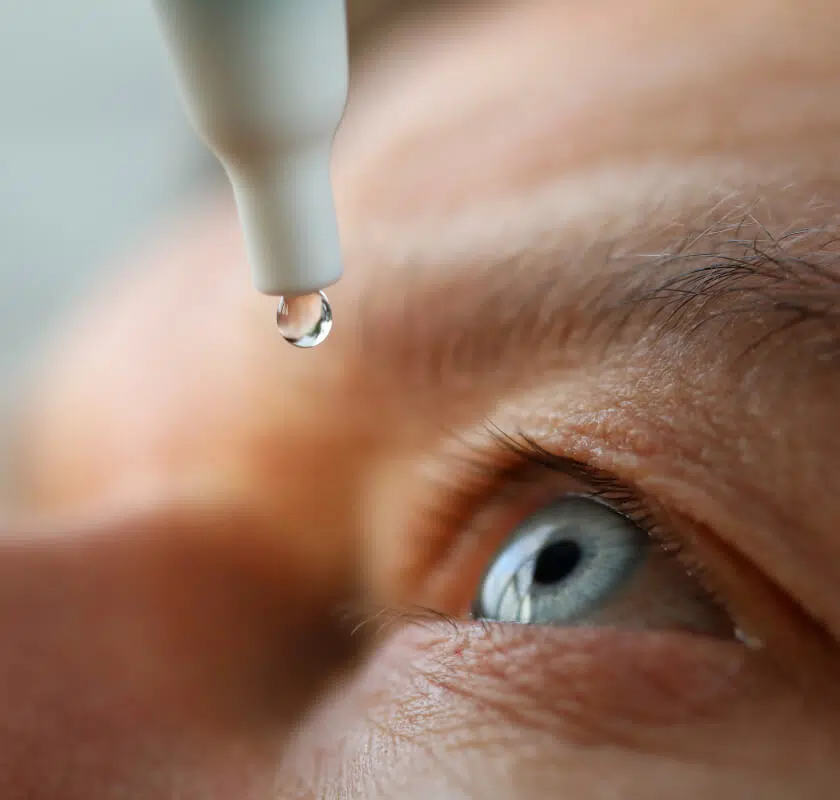
Dry eye syndrome requires ongoing management and treatment to alleviate symptoms and prevent complications.
In Australia, the dry eye epidemic is growing quickly with over 4.3 million people suffering from dry eye disease. In some cases, treatment may be required for life and the effects of treatment can take months to reach their optimal level.
Fortunately with targeted treatment we can significantly improve or alleviate the symptoms of dry eye for most people. A combination of treatments is often required and the best approach depends on the underlying cause. Our dry eye team is lead by Dr Erica who is a subspecialist corneal surgeon, with expertise in managing dry eye syndrome. We provide modern and advanced treatments for dry eye.
Treatments we provide in our Dry Eye Spa:
- Intense regulated pulsed light therapy (IRPL Laser)
- Custom eye drops
- Manual meibomian gland expression
- Silicone punctal plugs
Causes of dry eye
There are various risk factors for dry eye, including:

Aging
As we age, tear production decreases, leading to a higher risk.

Environmental factors
Dry climates, windy conditions, air conditioning, and exposure to smoke or pollutants can also contribute.

Medications
Certain medications, such as glaucoma drops, antihistamines, decongestants, and antidepressants, can cause ocular toxicity or reduce tear production.

Eyelid conditions
Blepharitis and meibomian gland dysfunction are commonly associated with dry eye.

Medical conditions
Dry eye can be a symptom of medical conditions like diabetes, rheumatoid arthritis, Sjrogen’s syndrome and thyroid disorders.

Dermatological conditions
Dermatological conditions such as facial rosacea can lead to ocular rosacea and dry eye.

Computer use and screen time
Extended periods of staring at screens can reduce blink rate and cause dry eye.

Contact lenses
Improper use or prolonged wear of contact lenses can lead to dry eye.

Surgical procedures
Post refractive laser and cataract surgery dry eye can be temporarily worsened, therefore, it is important to have good treatments in place to prevent and manage these exacerbations.

At Eagle Eye Surgeons we run a dedicated Dry Eye Spa, led by our subspecialised corneal surgeon Dr Darian-Smith.
Our multidisciplinary team includes ophthalmologists, optometrists, and our orthoptists who work together to optimise the treatment of dry eye syndrome. We understand how debilitating dry eyes are and offer the latest and most up to date treatment options, including medical and laser treatments. If you suffer from dry eyes, arrange a consult at Eagle Eye Surgeons and we will tailor a treatment plan for you.

What is the OSDI test we ask you to complete prior to your appointment?
The Ocular Surface Disease Index is a specialized questionnaire that is supported by the latest international research into dry eye syndrome. You will be asked to complete the questionnaire when they are attending our Dry Eye Spa. This helps us determine the severity of your symptoms and dry eye and will help us along with your thorough clinical assessment to guide treatment tailored specifically for your case..
What is blepharitis and/or meibomian gland dysfunction?
Blepharitis is a common eye condition characterized by inflammation of the eyelids. It can affect people of all ages and is usually caused by bacterial overgrowth, Demodex mites, or a skin condition such as rosacea. The symptoms of blepharitis include redness, swelling, itching, and a gritty or burning sensation in the eyes. In some cases, blepharitis can also lead to the formation of crusty debris along the eyelid margin. Treatment for blepharitis typically involves good eyelid hygiene, including regular cleaning and warm compresses to help unclog the oil glands in the eyelids. In more severe cases, antibiotic ointments, anti-mite treatment or oral medications may be prescribed to control the bacterial infection.
Meibomian gland dysfunction (MGD) is a condition that affects the tiny oil-producing glands located in the eyelids. These glands, called meibomian glands, play a crucial role in producing the oil layer of the tear film that keeps the eyes lubricated and comfortable. When these glands become blocked or dysfunctional, it can lead to dry eyes, inflammation, and discomfort. MGD is commonly associated with conditions such as blepharitis and rosacea. The symptoms of MGD include dryness, redness, itching, and a feeling of something stuck in the eye. Treatment for MGD often involves a combination of warm compresses, lid massages, and manual meibomian gland expression to help unclog the blocked glands and improve oil production. In some cases, oral medications or prescription eye drops may be necessary to manage the symptoms effectively.
If the above methods are not effective in relieving symptoms, at the Eagle Eye Surgeons Dry Eye Spa we offer the next generation in IRPL technology, the TEARSTIM® (which is the latest generation of E-Eye IRPL).

Intense Regulated Pulsed Light (IRPL) Treatment
At Eagle Eye Surgeons we use the next generation in IRPL technology, the TEARSTIM® (which is the latest generation of E-Eye IRPL).
This treatment only takes a few minutes and is performed with the patient sitting comfortably in a chair. We cover the eyes with protective eyecups and apply a lubricant to the lower eyelid. We then apply the IRPL treatment which involves a number of light pulses around the lower eye, which is gentle, painless and non-invasive. We repeat this process for both eyes.

Expected effects of treatments
A total of 4 sessions (2-4 weeks apart) are required to complete the IRPL protocol. The majority of people experience long-lasting effects of the total treatment are expected for a minimum of 6 months up to 3 years, although response to treatment varies. Once symptoms return we recommend repeating one application. Some people opt for preventative maintenance treatments every 3 to 6 months.
IRPL treatment is a simple painless in-office procedure that improves the function of oil glands in the eyelids and reduces dry eye symptoms. During an IRPL laser treatment session, the laser light energy is absorbed by the blood vessels in the area, causing them to constrict and reducing inflammation. This in turn helps to improve the function of the meibomian glands, allowing them to produce more oil and preventing tears from evaporating too quickly by stabilising the tear film’s lipid layer.
Symptoms of dry eye
Dry eye can cause a range of symptoms, including:
Dryness
A persistent dry sensation in the eyes is a common symptom.
Redness
Irritation and inflammation can cause redness in the eyes.
Itching and Watering
Dry eye can cause itching, leading to a constant urge to rub the eyes and watery discharge.
Burning or stinging
The eyes may feel a burning or stinging sensation, especially in certain environments or after prolonged screen time.
Blurred vision
Dry eye can cause temporary fluctuations in vision, making objects appear blurry or giving a sensation of unstable focus.
Sensitivity to light
Increased sensitivity to light, known as photophobia, can also be a symptom.
Self-care for dry eye syndrome
There are several self-care practices that can help manage dry eye syndrome:
Blink frequently
Regularly blinking helps spread tears across the surface of the eyes.
Follow the 20-20-20 rule
Take regular breaks from screens every 20 minutes, focusing on an object 20 feet away for 20 seconds.
Avoid smoke and irritants
Minimize exposure to smoke, allergens, and other irritants that can worsen dry eye symptoms.
Stay hydrated
Drinking enough water helps maintain overall hydration, including tear production.
Maintain a healthy diet
Consuming foods rich in omega-3 fatty acids, vitamins A, C, and E, and antioxidants can support eye health.
Protect your eyes
Protect your eyes from wind and harsh weather conditions with sunglasses or goggles.
Warm compresses
Warm compresses and massage when dry eye is associated with blepharitis or meibomian gland dysfunction.
Lubricant drops
Use over the counter non-preserved lubricant drops.
What are warm compresses and ocular massage?
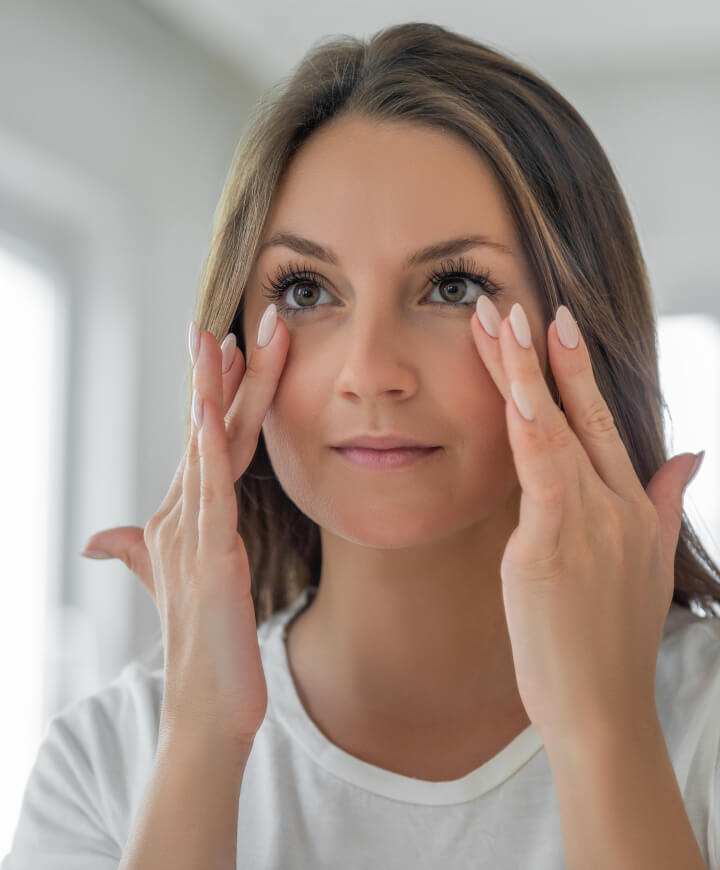
Warm compresses and ocular massage are an important part of your treatment, which you can do at home. Either a small towel soaked with hot water (but not so hot that you burn yourself) or ideally a microwavable eye mask (bean bag or gel pack) is to be placed on to your closed eyes for 5 minutes. Think of your eyelid glands making thick butter, when they should be making thin oil. The heat is necessary to ‘melt the butter.’ After you have used the warm compress for 5 minutes, using your fingers, massage all four lids, just outside the lash line with gentle but firm pressure. Think of this as expressing the melted butter out of the eyelid glands. Please do this by a mirror, to avoid touching your cornea/conjunctiva. If you have glaucoma or keratoconus, do not press firmly on your eyes, as this can worsen these conditions.
Over the Counter Drops and Custom Prescription Drops
Dry eye prescription drops are stronger and more specialized than over-the-counter eye drops. They may contain medications to reduce inflammation or stimulate tear production. Artificial tear ointments or gels may also be prescribed to provide longer-lasting lubrication. Our team can determine the best eye drops for your specific needs.
Non-preserved artificial tear drops should be used 4 times/day. There are many over the counter brands, and most work equally well. Ointments can also be used at bed time. Please be aware that these ointments may blur your vision for a short period so should be the last thing you do before bed.

Book an assessment now
Meibomian Gland Manual Expression & Silicone Eye plugs
Meibomian Gland Manual Expression
Manual meibomian gland expression involves applying gentle pressure to the eyelids to express the thickened and blocked secretions from the meibomian glands. By manually expressing these glands, it helps to improve the flow of oil onto the surface of the eye, reducing dryness and discomfort. We perform this as a safe and effective in-office procedure at the Eagle Eye Surgeons Dry Eye Spa.
Silicone Eye plugs for dry eyes
Silicone punctal plugs are small medical devices used to treat dry eye syndrome. These plugs are made of soft, flexible silicone material that is inserted into the tear ducts to block the drainage of tears. By blocking the drainage, silicone punctal plugs help to retain tears on the surface of the eye for a longer period, providing relief from dryness and discomfort. These plugs are available in different sizes and shapes to fit individual tear ducts. The procedure to insert silicone punctal plugs is minimally invasive and can be done in-office at Eagle Eye Surgeons Dry Eye Spa.