What is the difference between SMILE Pro and LASIK
Not sure whether SMILE Pro or LASIK is right for you? Learn how these two laser eye surgery procedures differ and why a personalised assessment matters.…
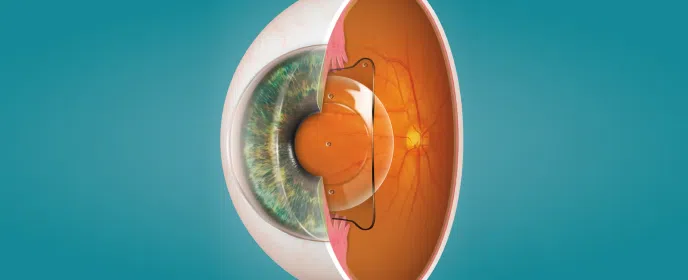
Lens replacement surgery is an elective procedure also known as refractive lens exchange or extraction (RLE), or clear lens exchange (CLE). It replaces the natural lens while it is still clear with an artificial lens, with the goal of reducing reliance on glasses or contact lenses.

Lens replacement surgery involves removing the eye’s natural lens and replacing it with an artificial intraocular lens (IOL). The natural lens can become less flexible with age, which is one reason reading becomes more difficult over time. This type of eye lens replacement changes how the eye focuses light and is performed by an ophthalmic surgeon in a controlled clinical setting.

A lens replacement operation follows a planned process from your initial assessment through to follow-up care.

Lens replacement surgery may be an option for adults experiencing age-related changes in near vision who want to rely less on reading glasses. It may also be suitable for people with higher prescriptions or those who may not be eligible for laser vision correction. Candidates should have good overall eye health and stable vision, along with realistic expectations about the results different lens types can achieve. Our ophthalmologists will assess your prescription and eye measurements while considering your everyday visual needs, including screen use and night driving.

Recovery after lens replacement surgery varies between individuals. Vision can fluctuate while the eye heals, with follow-up visits used to check that recovery is progressing as expected. All follow-ups for the first 6 months are included as part of the surgical fee. The results are highly successful, with the majority of patients achieving excellent freedom from glasses at all distances. Results depend on the lens selected and individual factors, and it should be noted that reading glasses may still be required in some situations: detailed fine work, low levels of light
At Eagle Eye Surgeons, we offer monofocal and premium lens options. Our surgeons will recommend a lens based on your eye health and how you want to use your vision.
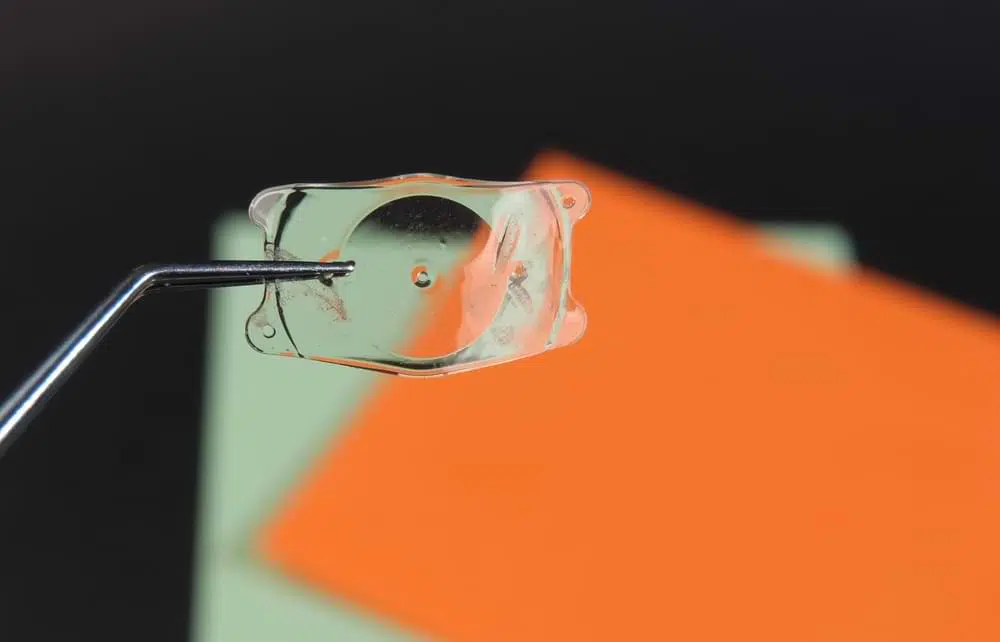
Monofocal lenses are designed to provide clear vision at one distance, either for everyday activities like driving or for close-up tasks such as reading. They offer high-quality vision at the chosen focus with fewer unwanted optical effects than multifocal designs.

Toric lenses are designed to correct astigmatism, where the shape of the eye causes distorted or blurred vision. Toric correction can be incorporated into different lens designs, allowing astigmatism to be addressed as part of lens replacement. Suitability depends on the measurements taken during your assessment.

EDOF lenses extend the range of clear vision beyond a single focus. They are designed to support distance and intermediate vision, although reading glasses may still be needed for close work. Some people experience unwanted visual effects depending on the lens and individual response. Toric EDOF options are available.

Multifocal lenses provide vision across more than one distance, helping reduce reliance on glasses. Some people may see haloes or starbursts around lights at night or find it harder to distinguish objects in low-contrast conditions. Multifocal lenses may not be suitable for people with certain eye conditions, such as glaucoma or macular disease. Toric multifocal lenses are available for patients with astigmatism.
Reducing your reliance on reading glasses starts with understanding your options. Here’s how to get started.
The first step is to find out if vision correction may be suitable for your eyes and your goals. Book a free appointment or speak with our team to start your journey.
At your appointment, we will assess your eyes and explain the options that may suit you. You will leave with a clear understanding of what may help and what the next steps look like.
For many patients, lens replacement can make everyday tasks easier, such as reading a menu or checking your phone, with less reliance on reading glasses. Our team will guide you through recovery and follow-up care.
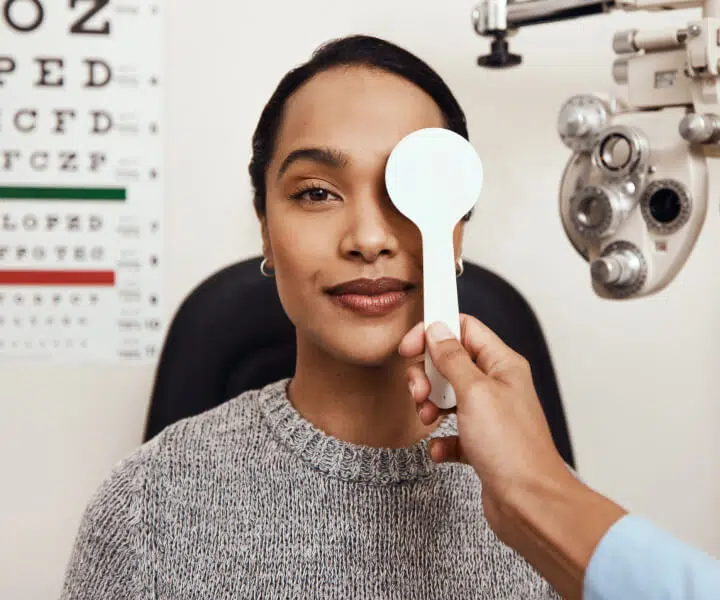
Eagle Eye Surgeons provides specialist ophthalmic care from assessment through to follow-up. Our ophthalmologists assess whether lens replacement surgery is suitable for you, then explain the available options clearly. Treatment is planned around your visual needs, with structured care before and after surgery.


Explore clear answers on suitability, lens choices, what to expect, and the benefits and risks to consider.
Advantages
Disadvantages
All surgery has risks. With lens replacement surgery, these can include infection, inflammation, raised eye pressure and swelling in the retina. Problems with the artificial lens position can also occur. Some people notice glare or haloes, and further treatment is sometimes needed. Serious complications are uncommon but possible. A thorough assessment and structured follow-up allow the surgical team to plan appropriately and monitor healing.
The surgical technique is essentially the same, but the reason for treatment is different. Lens replacement surgery removes a natural lens that is still clear as an elective vision correction procedure. Cataract surgery removes the natural lens once it has become cloudy.
What sets the two procedures apart? Watch Dr Erica explain below why the procedures use the same surgical approach but are performed for different reasons.
There is no procedural difference. Clear lens exchange, clear lens extraction and refractive lens exchange are different terms for the same elective lens replacement procedure. You may also see RLE surgery or CLE surgery used as shorthand.
Lens replacement surgery generally costs $11,000 to $14,000 for both eyes, with both eyes treated on the same day. The total cost includes the surgeon and anaesthetist fees, as well as the hospital and intraocular lens fees.
The procedure is performed under sedation with topical anaesthesia applied to the eye, so no needles are used in the eye. Eagle Eye Surgeons operates at several hospital and day surgery facilities, including Northern Sydney Eye Hospital, Freshwater Day Surgery and Somerset Private Hospital.
Your surgeon will recommend a lens based on your eye health and visual priorities.
| Lens | Who it may suit | What it corrects | Glasses still required? | Night vision effects |
|---|---|---|---|---|
| Monofocal | People who prioritise clear vision at one main distance | One selected focal distance | Usually for other distances | Generally fewer unwanted optical effects |
| Toric | Suitable candidates with astigmatism | Astigmatism alongside the correction provided by the chosen lens | Depends on the lens design and target | Depends on the underlying lens design |
| EDOF | People prioritising distance and intermediate vision | A broader range of focus, particularly distance and intermediate | Often for close work | Some visual disturbances may occur |
| Multifocal | Suitable candidates seeking less reliance on glasses across more distances | Near and distance vision, with intermediate vision between them | May still be needed for some tasks | Haloes or starbursts may occur, and contrast sensitivity can be reduced |
Read practical, expert-led articles on lens procedures and recovery, including how different treatment options compare.
Not sure whether SMILE Pro or LASIK is right for you? Learn how these two laser eye surgery procedures differ and why a personalised assessment matters.…
Thinking about laser eye surgery? Learn how to book a consultation, what happens during your appointment, and how to prepare. Read our latest blog and take…
Thinking about PRESBYOND? Learn what results you may expect, how recovery can affect your vision, and why personalised treatment matters. Read our latest blog and take…

I’m a FRANZCO ophthalmic surgeon focused on refractive surgery. I trained in Sydney at Prince of Wales Hospital, then completed a two-year corneal and refractive fellowship in Toronto, Canada. I also hold a Graduate Diploma in Cataract and Refractive Surgery and a Master of Medicine in Ophthalmic Sciences from the University of Sydney, and I lecture there as a Clinical Lecturer. I am a Fellow of the World College of Refractive Surgery and Vision Sciences and have a subspecialty interest in treating presbyopia.
I take time to listen, explain options clearly, and guide you through each step so you can make informed choices with confidence and calm. I am passionate about getting you your best visual outcomes.
Owner
FRANZCO, FWCRS, MMed, MBBS

I’m a FRANZCO trained ophthalmic surgeon. My work covers refractive surgery, cataract surgery, complex anterior segment and lens surgery, and conditions of the retina and vitreous. I completed medical training at the University of Sydney and Royal Prince Alfred Hospital, then completed ophthalmology training in the Prince of Wales Hospital network. I am trained in refractive surgery and have completed the Forefront Refractive Surgery Course run by the highly respected London Vision Clinic. I have further fellowship level training in complex anterior segment surgery and vitreoretinal surgery.
In addition to my work with Eagle Eye Surgeons, I am the Head of Department for Ophthalmology at Nepean Hospital and have led the expansion of publicly funded eye surgery in the Nepean Blue Mountains Local Health District.
I focus on clear explanations, careful planning, and follow-up that keeps you supported at every stage, always.
Owner
FRANZCO, MMed(Critical Care), MBBS(Hons), BSc

I am a RANZCO trained ophthalmologist with experience caring for patients across New South Wales, Queensland, and the United Kingdom. These diverse roles have given me extensive experience managing a wide range of eye conditions while reinforcing my commitment to providing personalised, high-quality care to every patient. I believe in taking the time to answer your questions, explain every treatment option, and help you make informed decisions about your eye health.
Alongside my clinical work, I am passionate about medical education and have taught medical students, junior doctors, and ophthalmology trainees in both Australia and the UK.
My practice is guided by the latest evidence-based techniques and technologies to achieve the best possible outcomes, whether you are considering cataract surgery, treatment for a corneal condition, or refractive surgery to reduce your dependence on glasses.
RANZCO, MMed(OphthSc), MBBS