

What is the difference between SMILE Pro and LASIK
Not sure whether SMILE Pro or LASIK is right for you? Learn how these two laser eye surgery procedures differ and why a personalised assessment matters.…
Cataract Eye Surgery
Cataract surgery removes the cloudy, ageing lens and replaces it with a clear artificial lens, which can improve vision and reduce reliance on glasses

Explore clear answers on when surgery is recommended, lens options, what to expect, and the benefits and risks to consider
Cataract surgery is recommended when a cataract is affecting your vision and daily life, such as reading, driving, or recognising faces. A cataract is clouding of the natural lens and it does not clear on its own. Suitability depends on your symptoms, eye health, and whether other eye conditions are present. Your surgeon will assess your eyes, measure them carefully, and discuss your goals, including how important reading vision is to you. The assessment also helps select the most suitable lens option. Most people with visually significant cataracts are candidates, but the plan is personalised.
Cataract surgery is usually recommended when cataracts begin to significantly interfere with your vision and everyday activities. This may include persistent blurring or clouding of vision that does not improve with updated glasses, increased sensitivity to bright lights, glare or halos around headlights when driving at night, difficulty reading even in good lighting, or struggling to recognise familiar faces. Many people also notice that colours appear faded or yellowed, and that vision feels “dim” or less sharp overall.
In the early stages, stronger lighting, anti-glare glasses, or a change in prescription may help you manage symptoms, but these measures do not stop or reverse the cataract.
When vision loss begins to affect safety, independence, or quality of life—such as driving, working, reading, or performing daily tasks—cataract surgery is the only effective treatment.
Cataracts are a common age-related eye condition that can cause blurry vision, visual disturbances such as glare and halos and difficulty seeing at night. They occur when the natural lens of the eye becomes cloudy, leading to a decrease in vision quality. Cataracts develop slowly over time, but they will eventually require surgical intervention to restore clear vision.
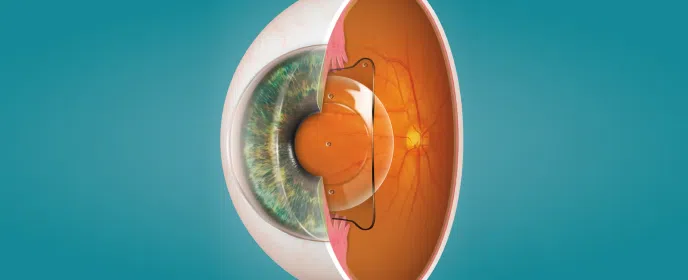
Cataract surgery is a highly effective procedure that involves removing the cloudy lens and replacing it with an artificial lens called an intraocular lens implant (IOL). This surgery is performed as a day procedure and has a high success rate in improving vision. If left untreated, cataracts will continue to worsen with time, and can significantly impact a person’s quality of life and ability to perform daily activities such as reading, driving, and recognising faces.
Advantages
Disadvantages
We offer traditional monofocal lens options, as well as the latest premium lens options. Our surgeons will discuss with you the best options to address your specific visual needs and preferences. The key lens options include:
Monofocal Lenses (Standard IOLs)
Toric Lenses
Extended Depth of Focus (EDOF) Lenses (Premium IOLs)
Multifocal Lenses (Premium IOLs)
Cataract surgery is the only proven way to remove a cataract and restore clearer vision. When vision improves, many people find everyday life becomes easier, such as reading, moving around safely, and recognising faces. Research also suggests that better vision after cataract surgery can support wellbeing, because people may feel more independent, more confident, and more connected to others. This can be especially important for older adults who have been limiting activities due to poor vision1https://pmc.ncbi.nlm.nih.gov/articles/PMC11346754/#sec3.
Not everyone has the same experience, and outcomes depend on eye health, general health, and access to timely care. Practical barriers like cost, transport, and waiting times can also affect how quickly someone benefits. For this reason, good care should include clear education before surgery, supportive follow-up afterwards, and attention to overall wellbeing, not just the eye itself.
Do cataracts go away on their own?
No. Cataracts do not clear on their own. A cataract forms when the natural lens inside the eye becomes cloudy. In the early stages, updated glasses or brighter lighting may help, but they do not remove the cataract. When cataracts affect daily life, surgery is the only proven treatment.
How do I know if I need cataract surgery?
You may need cataract surgery if cloudy or blurry vision is affecting tasks like reading, driving, recognising faces, or seeing clearly at night. Glare, halos, and faded colours can also be signs. Your surgeon will assess your eye health, measure your eyes, and discuss how much your cataracts are affecting your life.
What lens options are available during cataract surgery?
Lens options may include monofocal, toric, extended depth of focus, and multifocal lenses. Monofocal lenses usually focus at one distance. Toric lenses can help correct astigmatism. EDOF and multifocal lenses may reduce reliance on glasses for more distances, but they can involve trade-offs such as glare, halos, or reduced contrast.
Will I still need glasses after cataract surgery?
Some people still need glasses after cataract surgery. This depends on your eye health, prescription, lens choice, and visual needs. Monofocal lenses often give clear vision at one chosen distance, with glasses needed for other tasks. Premium lenses may reduce glasses dependence for some people, but they are not suitable for everyone.
What are the risks of cataract surgery?
Cataract surgery is commonly performed, but all surgery carries risks. Possible side effects include mild discomfort, redness, watering, itching, and temporary vision changes during recovery. Less common complications can include swelling, inflammation, raised eye pressure, infection, or issues with the lens implant. Your surgeon will explain the risks and follow-up care before surgery.
Cataracts can make life feel harder than it should. We make the path forward clear and supportive
Cataracts do not improve on their own. The first step is to confirm what is happening in your eyes. Book a free assessment online.
At your assessment, we check your eye health, measure your eyes, and talk through your goals. You will get a clear explanation of your lens options and what is realistic for your vision and lifestyle
After surgery, many people notice clearer vision and less glare once the cloudy lens is removed. Some people also reduce reliance on glasses, depending on the lens choice and their needs. We guide you through recovery and follow-up care.
Explore simple, expert-led blogs that explain your options, what to expect, and the everyday benefits people look for, so you can feel clear and confident about your next step
Not sure whether SMILE Pro or LASIK is right for you? Learn how these two laser eye surgery procedures differ and why a personalised assessment matters.…
Thinking about laser eye surgery? Learn how to book a consultation, what happens during your appointment, and how to prepare. Read our latest blog and take…
Thinking about PRESBYOND? Learn what results you may expect, how recovery can affect your vision, and why personalised treatment matters. Read our latest blog and take…

I’m a FRANZCO ophthalmic surgeon focused on refractive surgery. I trained in Sydney at Prince of Wales Hospital, then completed a two-year corneal and refractive fellowship in Toronto, Canada. I also hold a Graduate Diploma in Cataract and Refractive Surgery and a Master of Medicine in Ophthalmic Sciences from the University of Sydney, and I lecture there as a Clinical Lecturer. I am a Fellow of the World College of Refractive Surgery and Vision Sciences and have a subspecialty interest in treating presbyopia.
I take time to listen, explain options clearly, and guide you through each step so you can make informed choices with confidence and calm. I am passionate about getting you your best visual outcomes.
Owner
FRANZCO, FWCRS, MMed, MBBS

I’m a FRANZCO trained ophthalmic surgeon. My work covers refractive surgery, cataract surgery, complex anterior segment and lens surgery, and conditions of the retina and vitreous. I completed medical training at the University of Sydney and Royal Prince Alfred Hospital, then completed ophthalmology training in the Prince of Wales Hospital network. I am trained in refractive surgery and have completed the Forefront Refractive Surgery Course run by the highly respected London Vision Clinic. I have further fellowship level training in complex anterior segment surgery and vitreoretinal surgery.
In addition to my work with Eagle Eye Surgeons, I am the Head of Department for Ophthalmology at Nepean Hospital and have led the expansion of publicly funded eye surgery in the Nepean Blue Mountains Local Health District.
I focus on clear explanations, careful planning, and follow-up that keeps you supported at every stage, always.
Owner
FRANZCO, MMed(Critical Care), MBBS(Hons), BSc

I am a RANZCO trained ophthalmologist with experience caring for patients across New South Wales, Queensland, and the United Kingdom. These diverse roles have given me extensive experience managing a wide range of eye conditions while reinforcing my commitment to providing personalised, high-quality care to every patient. I believe in taking the time to answer your questions, explain every treatment option, and help you make informed decisions about your eye health.
Alongside my clinical work, I am passionate about medical education and have taught medical students, junior doctors, and ophthalmology trainees in both Australia and the UK.
My practice is guided by the latest evidence-based techniques and technologies to achieve the best possible outcomes, whether you are considering cataract surgery, treatment for a corneal condition, or refractive surgery to reduce your dependence on glasses.
RANZCO, MMed(OphthSc), MBBS