

What is the difference between SMILE Pro and LASIK
Not sure whether SMILE Pro or LASIK is right for you? Learn how these two laser eye surgery procedures differ and why a personalised assessment matters.…
With Eagle Eye Surgeons, LASIK surgery is planned around your eyes and visual needs. The procedure reshapes the cornea with a laser to change how light focuses, helping suitable patients reduce their reliance on glasses or contact lenses for everyday activities.

LASIK eye surgery (Laser-Assisted In Situ Keratomileusis) is one of the most widely performed forms of laser vision correction. A femtosecond laser creates a thin flap in the cornea, which is gently lifted so an excimer laser can reshape the underlying corneal tissue. The flap is then repositioned and begins to adhere naturally without stitches. LASIK is known for its quick recovery, with vision often improving within a day and discomfort usually brief.

On the day of your laser eye surgery, your treatment plan is confirmed before the procedure begins. After the corneal flap is created and the underlying tissue reshaped, the flap is returned to its original position where it begins to adhere naturally. Your eyes are checked before you leave and you will be given instructions for the initial recovery period. Most people notice their vision beginning to improve quickly, although healing and visual stabilisation continue after treatment.

If you’re considering LASIK or another form of eyesight laser surgery, suitability depends on several factors. Before recommending any laser treatment for your eyes, Eagle Eye Surgeons will carefully assess your vision and eye health.
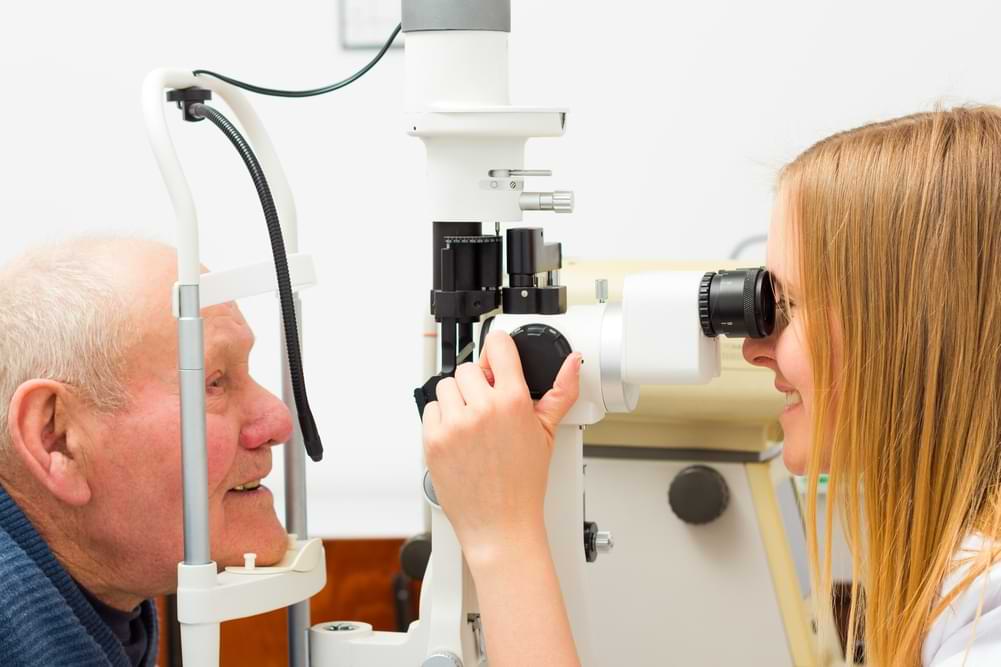
Initial recovery after LASIK is typically around 24-48 hours, with vision usually improving quickly. Most people can expect to rely less on glasses or contact lenses, although results vary and complete independence from glasses cannot be guaranteed.
Most people experience a significant improvement in vision after LASIK, with the majority achieving 20/20 vision or better by the first day after treatment. Results vary depending on factors such as your prescription and how your eyes heal. Some individuals may require an enhancement to refine their vision after the initial procedure.
Many people choose LASIK to reduce their reliance on glasses and contact lenses, making everyday activities easier without corrective eyewear.

Contacts can feel drying, especially with long screen time or busy days. Glasses can fog, smudge or get in the way at inconvenient times. If you are suitable for LASIK eye surgery, treatment may reduce how often you need glasses or contacts for everyday tasks, with fewer interruptions from cleaning lenses or managing contact lens discomfort.

Many people feel frustrated by constantly needing glasses or contact lenses to see clearly. Planning daily activities around eyewear and keeping a spare pair close by can be tiring. If LASIK is suitable for you, this form of laser eye surgery may reduce how much you need to think about corrective eyewear day-to-day and make routine activities feel less restricted.

Glasses and contact lenses can be inconvenient in jobs where dust, heat or protective equipment are part of the day, especially on construction sites or during detailed work that demands clear vision. They can also get in the way when swimming or exercising. For suitable candidates, eye laser vision correction may reduce reliance on eyewear and make it easier to get on with work and everyday activities.

For many people, glasses or contact lenses are the first thing they reach for each morning. If you are suitable for eye laser surgery, LASIK may reduce that dependence on corrective eyewear from the moment you wake up, whether you are getting ready for work or simply moving around at home.
Choosing laser eye surgery can feel like a big step. We make the process clear, supportive and easy to follow.
Laser eye surgery can be a life-changing option for the right candidate. The first step is finding out whether the procedure is suitable for you. Book a free appointment online or call us.
At your appointment, we will discuss your lifestyle and answer your questions. If you are suitable, we will explain your options so you can make an informed choice.
After treatment, many patients notice everyday tasks can feel easier with less reliance on glasses or contact lenses. Things like exercise, travel, work and getting ready in the morning may feel simpler.
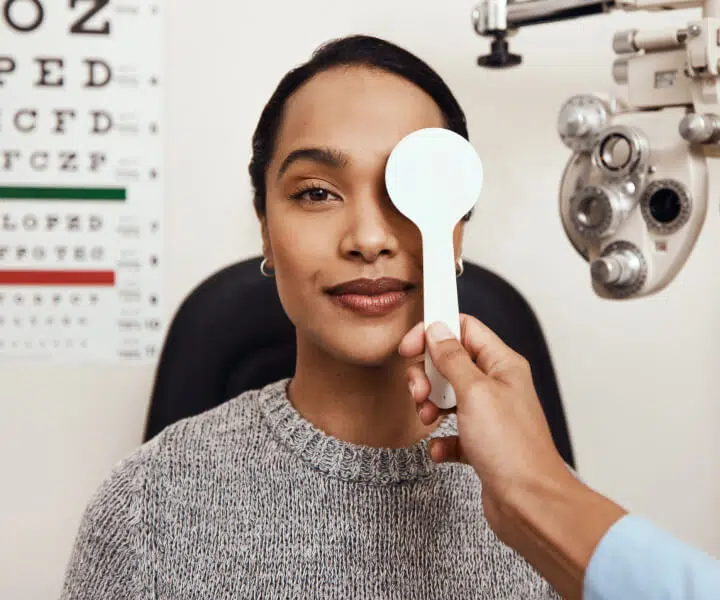
Eagle Eye Surgeons is a Sydney ophthalmology practice focused on careful assessment and personalised care. Our eye specialists use modern diagnostic and surgical technology to determine whether LASIK or another form of laser eye surgery is appropriate for you. From your initial assessment through to follow-up care, we explain your options clearly and support you through each stage of treatment.


Learn who LASIK may be suitable for, how the procedure works, what to expect and which benefits and risks to consider before deciding whether treatment is right for you.
Laser eye surgery is a broad term for procedures that reshape the cornea to change how light focuses in the eye. LASIK is one type of laser eye surgery, although the terms can be used interchangeably.
Eagle Eye Surgeons also offers SMILE Pro, which reshapes the cornea without creating a LASIK flap, PRK, a surface laser treatment and PRESBYOND®, which is designed to reduce reliance on reading glasses in people with presbyopia.
As with any form of laser eye surgery, there are potential benefits and limitations to consider when deciding whether LASIK eye surgery may be suitable for you.
Potential pros:
Potential cons:
All procedures have risks. LASIK risks can include dry eye symptoms, glare or halos, fluctuating vision during healing, infection or inflammation, under-correction or over-correction and reduced quality of vision in some conditions.
Flap-related issues are also possible because LASIK involves creating a corneal flap. In some cases, an enhancement procedure may be considered if suitable. Serious complications are uncommon but can occur, and your surgeon will discuss these during your consultation.
A thorough assessment before any laser treatment for the eyes helps reduce risk by identifying eye health issues early on and allowing the procedure to be planned carefully.
| Procedure | How it works | Who it may suit | Key considerations |
|---|---|---|---|
| SMILE® Pro | A femtosecond laser creates a thin, disc-shaped lenticule within the cornea, which is removed through a small incision. | People with higher degrees of short-sightedness, moderate long-sightedness or up to 5D of astigmatism. | Preserves more of the corneal structure and may reduce the risk of dry eye compared with some other laser procedures. |
| Photorefractive Keratectomy (PRK) | The outer corneal layer, or epithelium, is removed before an excimer laser reshapes the underlying cornea. The epithelium then regenerates naturally. | People with thinner corneas or certain corneal irregularities, including epithelial basement membrane dystrophy. | Does not create a corneal flap but generally has a longer recovery period than LASIK. |
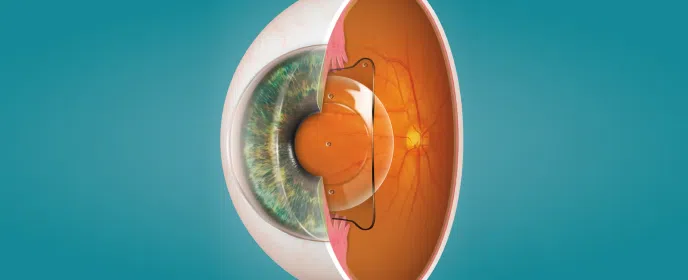
| Implantable Collamer Lens (ICL) | A thin, soft Implantable Collamer Lens is placed behind the iris and in front of the natural lens to help focus light on the retina. | People with higher prescriptions or whose corneal thickness or shape makes laser treatment less suitable. | No corneal tissue is removed and the natural lens remains in place. Suitability and risks are assessed during consultation. |
Read practical articles on laser eye surgery, treatment suitability and the different procedures available at Eagle Eye Surgeons. Our resources are designed to help you understand the details behind each option before you decide to book an assessment.
Not sure whether SMILE Pro or LASIK is right for you? Learn how these two laser eye surgery procedures differ and why a personalised assessment matters.…
Thinking about laser eye surgery? Learn how to book a consultation, what happens during your appointment, and how to prepare. Read our latest blog and take…
Thinking about PRESBYOND? Learn what results you may expect, how recovery can affect your vision, and why personalised treatment matters. Read our latest blog and take…
Learn from peer-reviewed studies and respected clinical organisations about how LASIK works, who it may suit and known risks. Note that these links will take you off our website
In 2009, the FDA, NEI, and DoD launched the LASIK Quality of Life Collaboration Project (LQOLCP) to study potential risks from LASIK surgery. The project developed tools to track patient-reported outcomes (PROs) before and after surgery, including visual symptoms and their impact on daily activities. Results showed high satisfaction rates but noted minor visual symptoms post-surgery.
Refractive surgery offers a range of procedures to reduce reliance on glasses or contact lenses by reshaping the cornea. From LASIK to SMILE, these treatments address conditions like nearsightedness, farsightedness and astigmatism.
A large study found that while both LASIK and contact lenses are very safe, the long-term risk of vision loss from contact lens-related infections may be slightly higher than the risk associated with LASIK surgery.

I’m a FRANZCO ophthalmic surgeon focused on refractive surgery. I trained in Sydney at Prince of Wales Hospital, then completed a two-year corneal and refractive fellowship in Toronto, Canada. I also hold a Graduate Diploma in Cataract and Refractive Surgery and a Master of Medicine in Ophthalmic Sciences from the University of Sydney, and I lecture there as a Clinical Lecturer. I am a Fellow of the World College of Refractive Surgery and Vision Sciences and have a subspecialty interest in treating presbyopia.
I take time to listen, explain options clearly, and guide you through each step so you can make informed choices with confidence and calm. I am passionate about getting you your best visual outcomes.
Owner
FRANZCO, FWCRS, MMed, MBBS

I’m a FRANZCO trained ophthalmic surgeon. My work covers refractive surgery, cataract surgery, complex anterior segment and lens surgery, and conditions of the retina and vitreous. I completed medical training at the University of Sydney and Royal Prince Alfred Hospital, then completed ophthalmology training in the Prince of Wales Hospital network. I am trained in refractive surgery and have completed the Forefront Refractive Surgery Course run by the highly respected London Vision Clinic. I have further fellowship level training in complex anterior segment surgery and vitreoretinal surgery.
In addition to my work with Eagle Eye Surgeons, I am the Head of Department for Ophthalmology at Nepean Hospital and have led the expansion of publicly funded eye surgery in the Nepean Blue Mountains Local Health District.
I focus on clear explanations, careful planning, and follow-up that keeps you supported at every stage, always.
Owner
FRANZCO, MMed(Critical Care), MBBS(Hons), BSc

I am a RANZCO trained ophthalmologist with experience caring for patients across New South Wales, Queensland, and the United Kingdom. These diverse roles have given me extensive experience managing a wide range of eye conditions while reinforcing my commitment to providing personalised, high-quality care to every patient. I believe in taking the time to answer your questions, explain every treatment option, and help you make informed decisions about your eye health.
Alongside my clinical work, I am passionate about medical education and have taught medical students, junior doctors, and ophthalmology trainees in both Australia and the UK.
My practice is guided by the latest evidence-based techniques and technologies to achieve the best possible outcomes, whether you are considering cataract surgery, treatment for a corneal condition, or refractive surgery to reduce your dependence on glasses.
RANZCO, MMed(OphthSc), MBBS