
If you have been told you have astigmatism, you may have heard confusing things. Some people think it is a disease. Some think it means you cannot have laser eye surgery. Others think it is “too complicated.”
Astigmatism is common. And in many cases, laser eye surgery can be used to treat it. But suitability depends on your eyes, your prescription, and your corneal shape. This guide explains what astigmatism is, how laser treatment may help, and what to expect from an assessment.
What is astigmatism?
Astigmatism is a focusing problem caused by the shape of the cornea. Most often, it comes from the eye being shaped more like a rugby ball than a soccer ball.
That uneven shape means light does not focus neatly at one point. It can cause:
- blurry or distorted vision
- shadowing or “ghosting” around letters
- headaches or eye strain
- trouble with night driving due to glare
Astigmatism can exist on its own or along with short sight or long sight.
Can laser eye surgery treat astigmatism?
Often, yes.
Laser assisted eye surgery for astigmatism aims to reshape the cornea. Because astigmatism is related to corneal shape, reshaping can reduce it for suitable people.
Different procedures may be used depending on your eye measurements, such as:
- LASIK
- PRK (photorefractive keratectomy)
- SMILE® Pro (in some cases)
Your surgeon chooses the safest and most appropriate option based on your cornea and prescription. This can also influence the cost of laser eye surgery in Sydney.
How does the laser “fix” it?
The laser removes microscopic amounts of corneal tissue in a specific pattern.
Instead of reshaping the cornea evenly, the excimer laser to reshapes more in certain areas to make the cornea more regular. The aim is to reduce the uneven curve that causes astigmatism while also correcting refractive errors.
This plan is customised. It is based on careful measurements taken at your assessment.
What affects whether you are suitable?
Suitability depends on several factors, including:
- how strong your prescription is
- corneal thickness
- corneal shape and stability
- eye health
- dry eye symptoms
- previous eye conditions or injuries
- your work and lifestyle needs
Some people are not suitable for laser treatment. In that case, other options may be discussed.
What results can you expect?
Results vary from person to person.
Many suitable people aim to reduce reliance on glasses or contact lenses for everyday tasks. Some still use glasses for certain activities, like fine print, long screen days, or night driving.
It is also important to remember that reading vision changes with age. Even if astigmatism is treated, you may still need reading glasses later due to normal ageing changes in the lens.
The goal of your assessment is to understand what is realistic for your eyes.
What is the assessment like?
A good assessment for astigmatism will usually include:
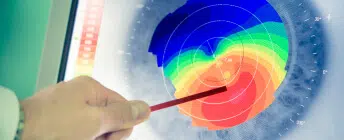
- detailed corneal mapping
- prescription testing
- eye health checks
- dry eye testing
- discussion about your daily visual demands
This is where your surgeon can explain:
- whether your astigmatism is treatable with laser
- which procedure may be safest for you
- what outcomes are realistic
- what risks and side effects matter for your eyes
Are there alternatives if you are not suitable?
Yes.
If laser is not suitable, alternatives may include:
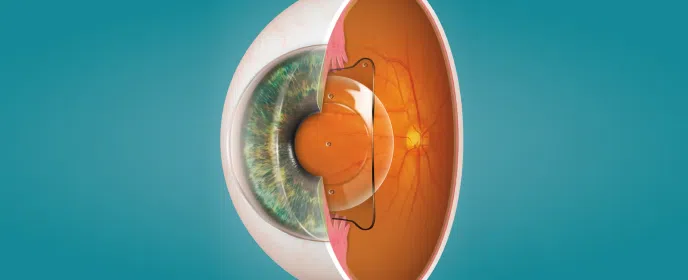
- implantable lenses (ICL) for some prescriptions
- lens replacement options for some age groups where the cornea or lens changed due to aging.
The right option depends on your eye health and your goals.
If you want a simple first step, start with our free self-test.
Take our free 2-minute suitability self-test to explore which vision correction options may suit your eyes and lifestyle.

– Fellow of the Royal Australian and New Zealand College of Ophthalmologists (FRANZCO)
– Fellow of World College of Refractive Surgery and Visual Sciences (FWCRS)
– GradDipGraduate Diploma in Cataract and Refractive Surgery (University of Sydney)
– Master of Medicine (MMed, Ophthalmic Sciences, University of Sydney)
– Bachelor of Medicine and Surgery (MBBS, University of Tasmania)
Dr. Erica was a recipient of the 2022 ASCRS Foundation Resident Excellence Award. In 2019, she was awarded the RANZCO Filipic Greer Medal for overall excellence in performance at the RANZCO Ophthalmic Pathology examination. Most recently, she was awarded the Royal Australian and New Zealand College of Ophthalmologists (RANZCO) Trevalyn-Smith Travelling Scholarship to subsidize overseas study for Fellows.
As an accomplished researcher Dr. Erica’s work has been published widely in high quality medical journals, including the American Journal of Ophthalmology, the Journal of Cataract and Refractive Surgery, the European Journal of Ophthalmology and Clinical and Experimental Ophthalmology. Erica has also written a book chapter and has had the opportunity to present her research at various international and national conferences. Dr. Erica is appointed as a Clinical Lecturer in the Discipline of Ophthalmology at the University of Sydney, Save Sight Institute and regularly contributes to ongoing teaching in her area of subspeciality.